Additional helicopter base as ice conditions make operations more difficult for sea rescue boats
News 2026-02-17
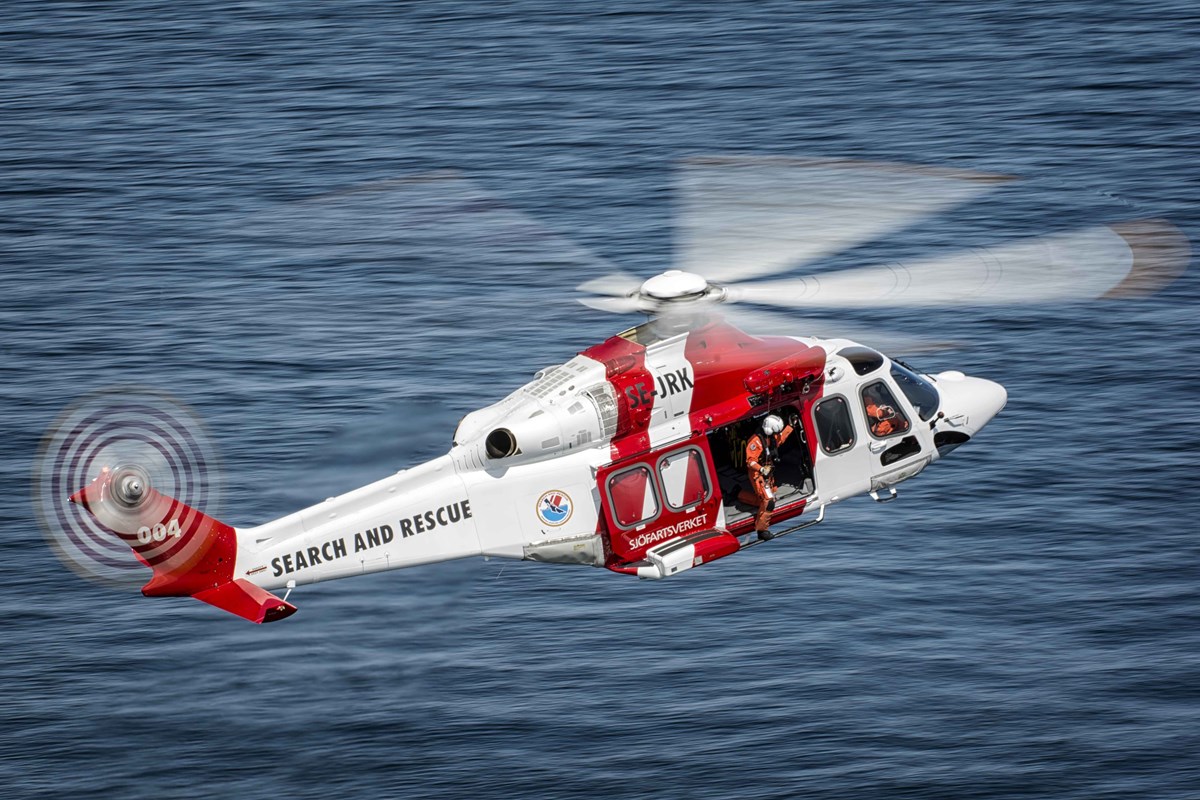
The Swedish Maritime Administration is now strengthening its maritime search and rescue capabilities by opening a sixth helicopter base.
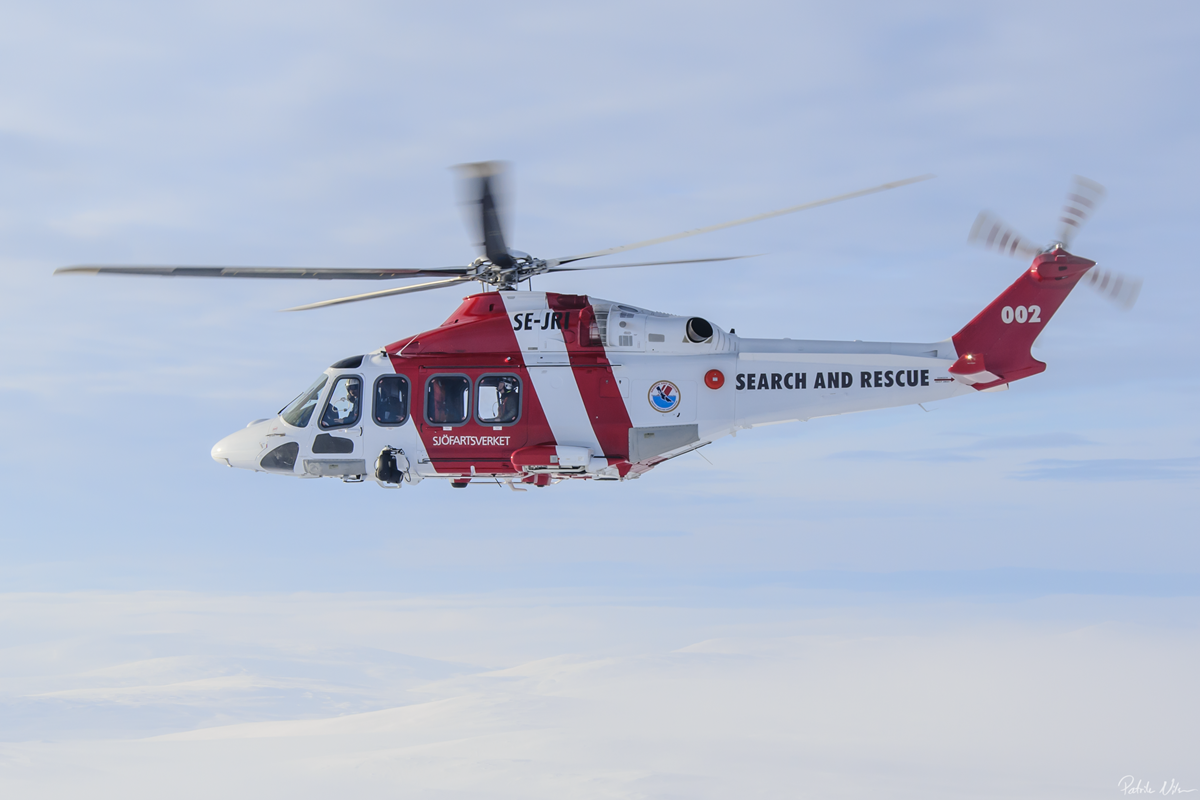
The prolonged cold weather is making rescue operations more difficult, as ice creates obstacles for sea rescue boats. The Swedish Maritime Administration is therefore allocating additional resources to its helicopter operations.
“Keeping maritime routes open and safe is of the utmost importance for a country like Sweden. Under the current challenging ice conditions, most sea-going rescue units are having difficulty leaving their ports. We are therefore making an extraordinary effort to temporarily open a sixth rescue helicopter base, despite normally only having sufficient resources for five bases,” says Mattias Hyllert, Director of Maritime and Aeronautical Search and Rescue at the Swedish Maritime Administration.
Since 20 January, the Swedish Maritime Administration has relocated helicopter resources to Kiruna to conduct rescue training in mountainous environments. During the training period, the Kristianstad base has been temporarily closed, making the area more dependent on vessels for rescue operations. With ice now preventing these vessels from operating, the Swedish Maritime Administration is deploying additional helicopter resources to keep the Kristianstad base open as well, strengthening its search and rescue capabilities.
“Operating our resources at this level is naturally challenging and leaves us vulnerable, but we want to do everything we can to strengthen our ability to save lives in this extreme situation. This is the first time in decades that we have seen ice conditions affect our rescue capabilities in this way,” says Mattias Hyllert.
In addition to its helicopter capabilities, the Swedish Maritime Administration's ice-capable pilot boats are also on standby, while its partner organisation, the Swedish Sea Rescue Society, has stationed hovercraft along the coast.
During winter, temperatures are lower and survival times in the water are shorter. With fewer resources available and more hours of darkness, rescue operations may take longer. The Swedish Maritime Administration urges everyone venturing out onto the water or ice to take precautions and ensure that they are, first and foremost, prepared to handle situations that may arise on their own.