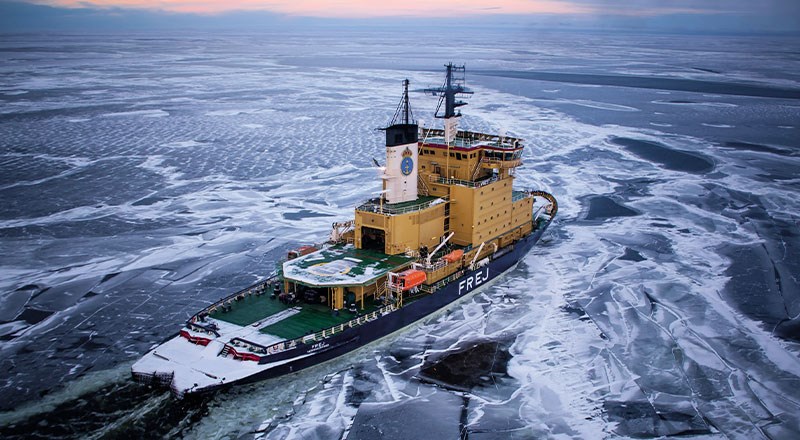
Intensive icebreaking season ends earlier than expected
News 2026-05-05
Today, the Swedish Maritime Administration’s smallest icebreaker, Ale, switched off her blue lantern, officially bringing this winter’s icebreaking season to an end. Compared with the previous season, the number of icebreaking assists was more than four times as high, with 979 compared with 220 in the 2024/25 season.
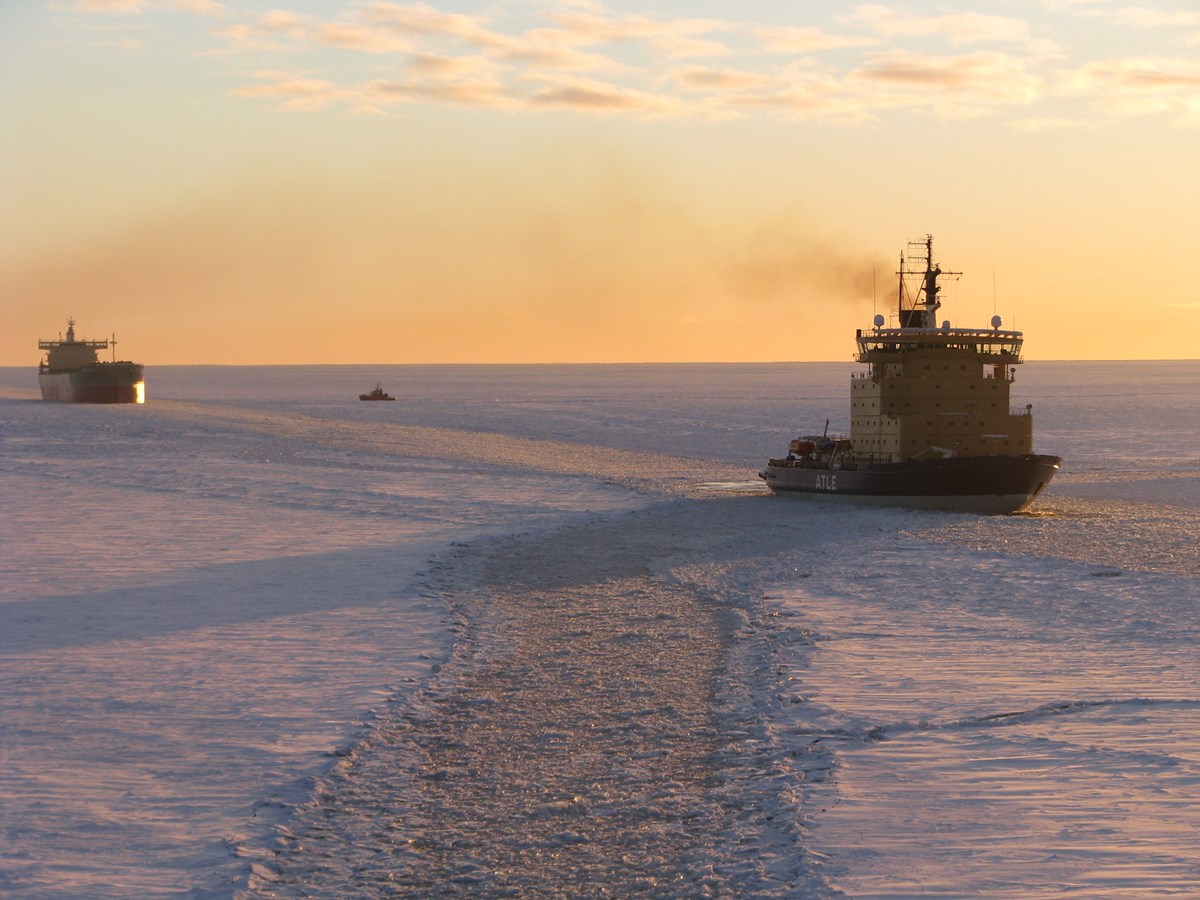
– This winter had the potential to become very challenging. Ice formed rapidly during a prolonged cold spell in January and early February, which was suddenly followed by warmer temperatures in March and a sharp reduction in ice coverage. Going from ice 40–50 centimetres thick to no ice at all in just a week or so is remarkable, says Amund E. B. Lindberg, Head of Winter Navigation at the Swedish Maritime Administration.
In terms of the need for icebreaking assistance, there was an increase in the number of vessel calls at the Port of Skellefteå during the first months of the year.
When the warmer temperatures arrived, they resulted in a record-early break-up of the ice along the coast and in the archipelagos, one month earlier than normal.
– Now, only isolated ice floes remain out at sea. Normally, we still have ice in the archipelagos at this time. If the cold spell had been followed by normal temperatures, the break-up would have been much slower.
In addition to the six state-owned icebreakers, the Swedish Maritime Administration’s work vessels Scandica and Baltica were also deployed, along with several contracted resources.
– At times, the season was intense and our icebreakers had to work hard. Our icebreaker fleet is well maintained but ageing and has faced technical challenges. Work is now beginning to prepare the icebreakers for next winter, says Amund E. B. Lindberg.